
+44 (0) 1908 774323
   
Helen Beaumont

Essendon Tax

Independent tax consultants ...

Why HMRC's cryptoasset disclosure service has raised only £4m so far

Helen Beaumont

CREATED BY HELEN BEAUMONT

Published: 18/02/2026 @ 09:00AM

#CryptoAssetDisclosureService #HMRC #CryptoTax #SelfAssessment #CARF #Cryptocurrency

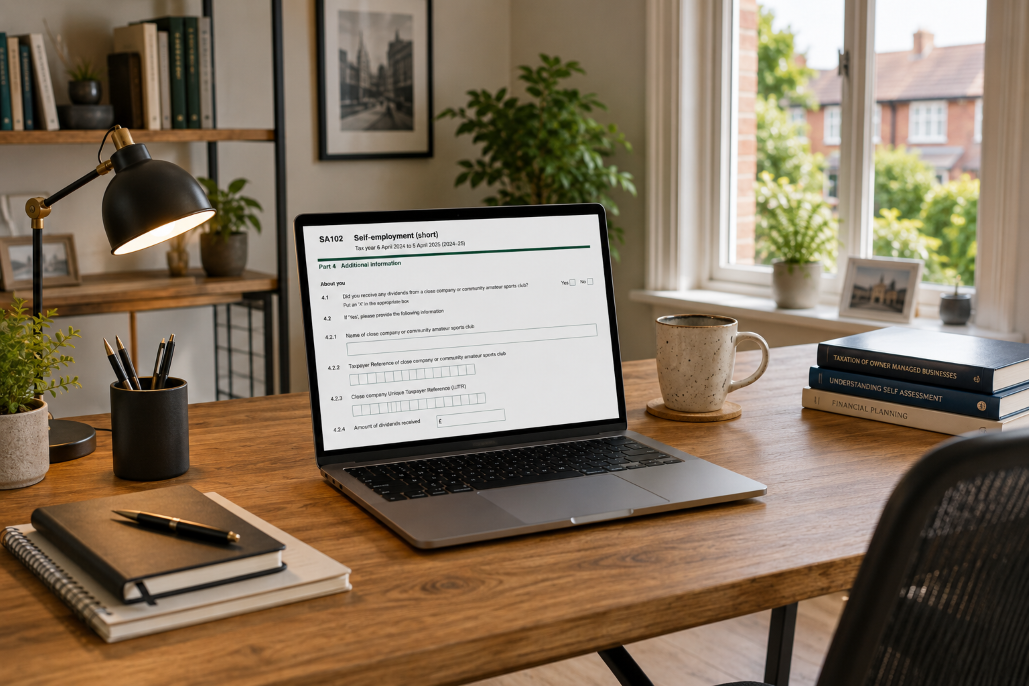
HMRC's cryptoasset disclosure service has brought in only about £4m, despite tens of thousands of nudges. That gap hints at low awareness, wishful thinking, or simple avoidance. This is what it means for crypto tax, and why acting early usually costs less ...

Cryptoasset disclosure, Service ensures transparency, Invest with knowledge

Cryptoasset disclosure, Service ensures transparency, Invest with knowledge

HMRC's cryptoasset disclosure service has now been running long enough to reveal an uncomfortable truth: for all the noise around compliance, only around £4m has been disclosed so far. That figure looks modest beside the scale of the UK's crypto activity, and even more so when set against the huge volume of nudge letters sent to people HMRC suspects may have undeclared gains.

The question is not whether HMRC is interested, but why
so many recipients still appear to be doing nothing!

It helps to start with a simple reality that many investors either missed or chose to downplay: crypto tax is not optional just because crypto feels novel. In the UK, selling a token for pounds is typically a taxable moment, and so is swapping one token for another.

Plenty of people still talk about trading as if it were gambling, but HMRC's view has been consistent for years that most everyday investors are dealing with chargeable disposals, which makes cryptocurrency tax reporting part of ordinary personal tax life.

A second reality is behavioural rather than technical. Many investors only think about tax when they 'cash out', which sounds logical until it collides with the rules. Someone might have spent years hopping from coin to coin, stacking up disposals and potential gains, yet feel they have nothing to report because no money ever hit their bank account.

That misunderstanding alone can turn an apparently quiet tax profile into several busy years of historic corrections once the data is reconstructed properly.

HMRC has been sending increasing volumes of nudge letters, and that trend suggests the department believes it has both leads and leverage. Meanwhile, the relatively low uptake of the cryptoasset disclosure service suggests that many people either do not recognise their reporting obligations, do not believe HMRC can see them, or hope the problem will simply age out. None of those positions looks particularly durable.

That last point matters because the information
environment is changing!

For years, one convenient excuse was that trades happened on overseas platforms and the UK authorities were unlikely to obtain complete records. That comfort is fading as global reporting frameworks mature and platforms are pushed to collect and share more investor information.

The practical implication is that waiting for certainty is likely to be more expensive than acting with initiative, especially when HMRC can argue that a person should have known the rules and chose not to engage.

When people do engage, the approach they choose can define the outcome. A voluntary disclosure HMRC-style, made before an enquiry is opened, typically allows the conversation to stay focused on correcting returns and paying what is due, rather than debating intent.

Once HMRC has written with specific detail, the tone can shift from 'please check' to 'please explain', and that is where tax penalties become a live risk, particularly if HMRC suspects careless or deliberate behaviour.

There is also a practical barrier that stops many well-meaning people: the work involved. Crypto trading histories are messy, spread across multiple wallets and exchanges, complicated by token migrations, forks, airdrops, staking rewards, and fees paid in crypto.

Yet none of that removes the need for credible calculations. The quickest route to resolution is usually to obtain the raw data, reconcile it to a sensible record, and produce year-by-year figures that would stand up to scrutiny, because HMRC is unlikely to accept vague estimates when the underlying transactions can be traced.

The small average size of disclosures to date hints that some of the people coming forward are those with relatively straightforward positions, while those with complex histories are still hesitating.

That hesitation is understandable, but it
can be strategically unwise!

The longer the delay, the harder cryptocurrency tax reporting becomes, and the more likely it is that HMRC's own data will set the starting narrative, not the taxpayer's.None of this is an argument for panic, but it is an argument for clarity.

If an investor has disposed of cryptoassets, exchanged tokens, or earned crypto in a way that should have been put on a tax return, they will usually be better served by an organised review and, where needed, a calm voluntary disclosure that HMRC can process without escalation.

The aim is not only to settle the tax, but to close the issue on terms that minimise disruption and reduce the likelihood of tax penalties being layered on top.

In the end, the headline figure is less important than what it signals. HMRC's cryptoasset disclosure service, raising only around £4m so far, does not suggest the problem is small; it suggests the compliance gap is still wide, and that many investors have not yet connected their trading activity to real-world reporting obligations.

The sensible move is to assume HMRC's visibility is improving and to treat the cryptoasset disclosure service as a chance to get ahead of the story rather than chase it later.

Until next time ...


HELEN BEAUMONT
Join my mailing list! Click here and be one of the first to know when I publish a new blog post!

Would you like to know more?

If anything I've written in my blog post resonates with you and you'd like to discover more of my thoughts about HMRC's cryptoasset disclosure service and whether you need to tell them about any crypto gains, then do feel free to call me on 07434 287603 and let's see how I can help you.

Share the blog love ...

Share this to FacebookBuffer
Share this to FacebookFacebook
Share this to TwitterTwitter
Share this to Linkedin (popup window)Linkedin
Share this to Pinterest (popup window)Pinterest
Share this to WhatsApp (popup window)WhatsApp

#CryptoAssetDisclosureService #HMRC #CryptoTax #SelfAssessment #CARF #Cryptocurrency

About Helen Beaumont ...

Helen Beaumont 
Helen brings the personal tax planning experience of the top 20 tax companies to Essendon. Formerly of MacIntyre Hudson (with 45 offices nationwide), Helen worked at Chancery for more than 10 years before joining Essendon as the personal tax specialist.

Tax Planning can make a considerable difference to your tax liability. Helen has specialist knowledge and experience in tax planning and uses every opportunity to minimise your tax bill is utilised. By analysing your investments, income, profit and expenditures, Helen will provide strategic tax planning expertise that could offer significant savings, whilst delivering clear, honest advice and guidance.

When Helen is not at Essendon she spends time with her young son and likes going on long walks with the family dog.

More blog posts for you to enjoy ...

Click here to view this blog post


Top tax tips for smart year-end tax planning before April

Here are top tax tips to tidy up savings, ISAs, pensions and gains before April. It's a friendly run-through of what people miss and how to fix it. Think of it as a quick chat that could save real money ......

Click here to view this blog post


Ground rents to be capped: what the new £250 limit means

Ground rents will be capped at £250 from 2028, and the rules mostly target future homes rather than existing leases. It's part of wider leasehold reform and a push towards commonhold.The direction is clearer, but today's leas...

Click here to view this blog post


Why late tax return penalties keep rising as HMRC clamps down

Late tax return penalties are rising because more tax goes unpaid, and HMRC is pushing harder. If you're late, the costs can stack up quickly, but you can sometimes challenge mistakes or agree on a payment plan. So always act...

Click here to view this blog post


Can't pay your self-assessment bill by the 31st of January?

If you can't pay your self-assessment bill by the 31st of January, don't hide from it. Get the numbers right, pay what you can, and talk to HMRC early about a time to pay arrangement. You'll usually reduce late payment penalt...

Click here to view this blog post


UK tax returns and the mid-year Capital Gains Tax rate change in 2024/25

The mid-year Capital Gains Tax rate change means HMRC's online return may miscalculate CGT after the 30th of October 2024. Taxpayers may need to compute an adjustment and enter it manually. A careful check now can prevent und...

Click here to view this blog post


New Year Nudge: Beat the self-assessment filing deadline without stress

Here's the simple reality of the self-assessment filing deadline: it doesn't move, but your stress can. My blog post this week explains why filing early helps, what HMRC charges for delays, and how an online tax return can ke...

Click here to view this blog post


HMRC Taking A Good Look At Savvy Online Sellers

HMRC's new data sharing initiative, which aligns with the OECD's global objective to tackle tax evasion, has been met with mixed reactions from online sellers ......

Click here to view this blog post


How HMRC Christmas tax rules trip up festive side hustlers

HMRC Christmas tax rules often surprise side hustlers each December. Here's what counts, what doesn't, and when to register. Stay compliant and keep more of your Christmas earnings ......

Other bloggers you may like ...

Click here to view this blog post


The art of compliance with an Online PA for FCA-regulated businesses

Posted by Sarah Hannaford on https://blog.sarahpasolutions.co.uk

The art of compliance is simpler when an Online PA runs the reminders, records, and routines. It's like having a calm, methodical second brain for FCA ...

Click here to view this blog post


Why shared staff logins put hospitality businesses at serious risk

Posted by Andrew Parker on https://blog.wolvertonsolutions.com

Shared staff logins feel like a shortcut, but they quietly create big security gaps. This blog post explains why they undermine accountability, invest ...

Click here to view this blog post


What Is The Most Important Part Of Your Business Network?

Posted by Pritesh Ganatra on https://blog.btsuk.net

The final words from a recent blog post led me to determine a business network's common point of failure. We're heading into the VoIP era and plunging ...

Click here to view this blog post


How the YourBOT Leadgen feature turns visitor chats into real leads

Posted by Steffi Lewis on https://www.yourbot.uk

Most chatbots are brilliant at answering questions ... and absolutely terrible at turning those conversations into real leads. YourBOT doesn't make th ...

© 2026 by Helen Beaumont

All rights reserved


All content on this blog, including but not limited to text, images, videos and audio, is protected by copyright. No part of this blog may be reproduced, copied, distributed, or otherwise used without the prior written consent of the author. Unauthorised use constitutes a breach of intellectual property rights.

Please note that many elements of this blog have been created using Artificial Intelligence (AI). As such, content may not always reflect verified facts or professional advice. The information provided is for general interest only and should not be relied upon as a sole source for making decisions, financial or otherwise. Readers are strongly advised to seek independent advice from qualified professionals appropriate to their country and situation.

The author of this blog, YourPCM Limited, and its directors, employees, and authorised agents accept no liability for any loss, harm, or consequence arising from the use or interpretation of content found on this site.

The sblogit.com platform is provided on an “as is” basis. By continuing to view or interact with this blog, you acknowledge and accept these terms. If you do not agree with any part of this notice, please cease using this site immediately.

YourPCM Limited is a company registered in the UK and operates exclusively under the jurisdiction of the laws of England and Wales.